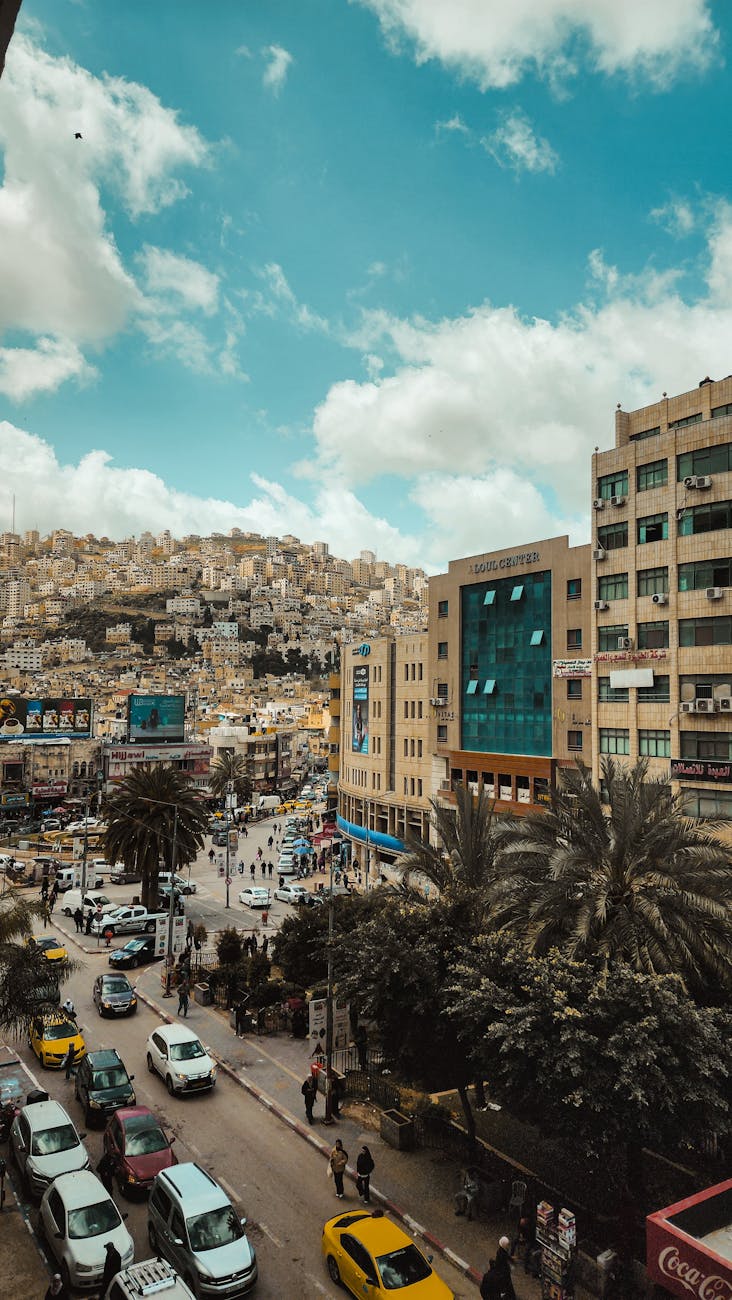
First, Joe Sacco’s Palestine
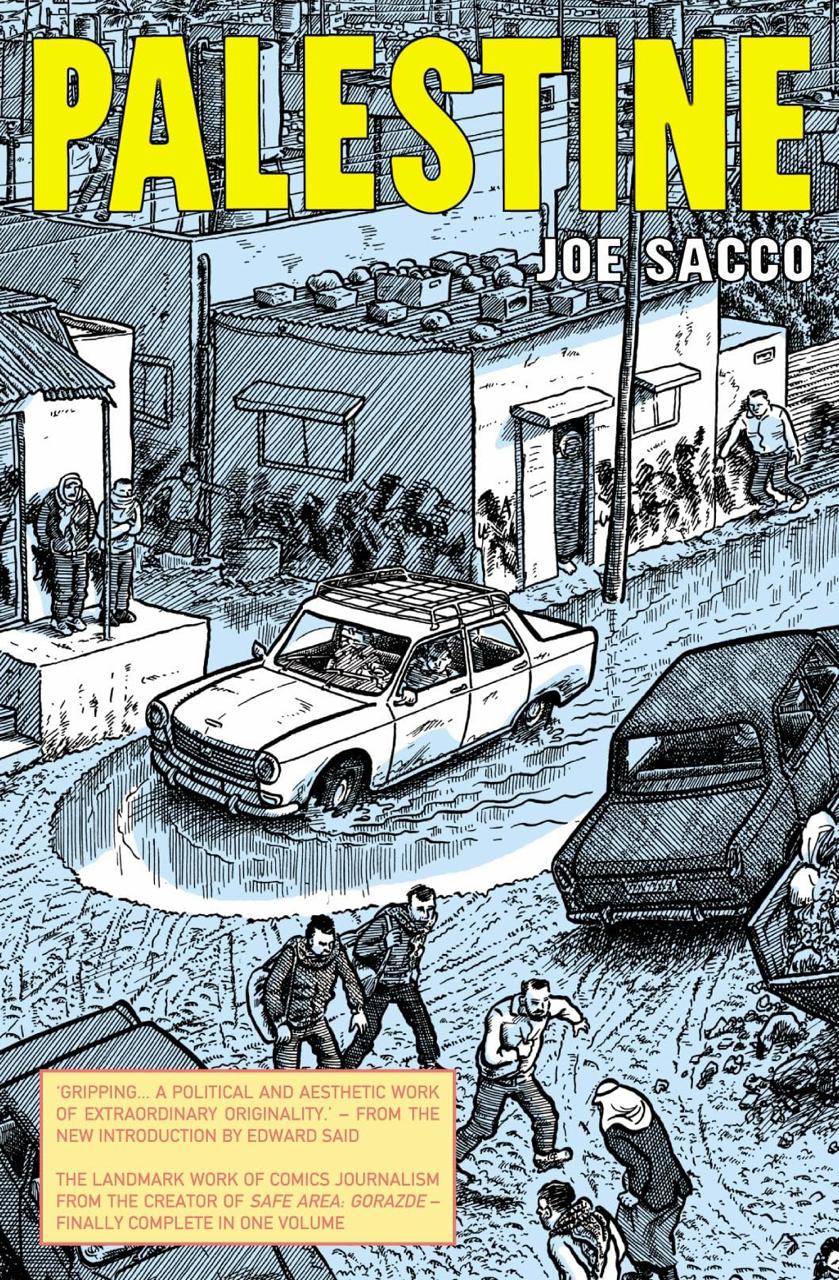
Joe Sacco’s Palestine is deeply moving and tragic.
Each page, each cartoon, each panel, makes you vicariously feel the pain so real and immediate. He shows, through these graphics, what it is like to live with enormous injustices in Gaza, without exaggeration and without undue sentimentality, and with a dark humour and irony.
He shows the remarkable resilience of these people; their quiet dignity, honesty, courage and large-heartedness, in some of the most difficult conditions ever faced by any people.
Their kindness when they have no reason to be that way, is heart-warming.
The use of cartoon/comic, as a medium, makes the stories even more striking, impactful and heavy, and not lighter. Stuff is simple but not simpler or simplistic. He’s captured —through these cartoons— the reality and spirit of the people and their struggle, way better than any video or text ever can.
I am full of admiration for the courage of Joe’s reportage, though it is hard to ignore and quite tragic – actually – that things have only worsened since for these people.
____
Second, Joe Sacco’s The Once and Future Riot
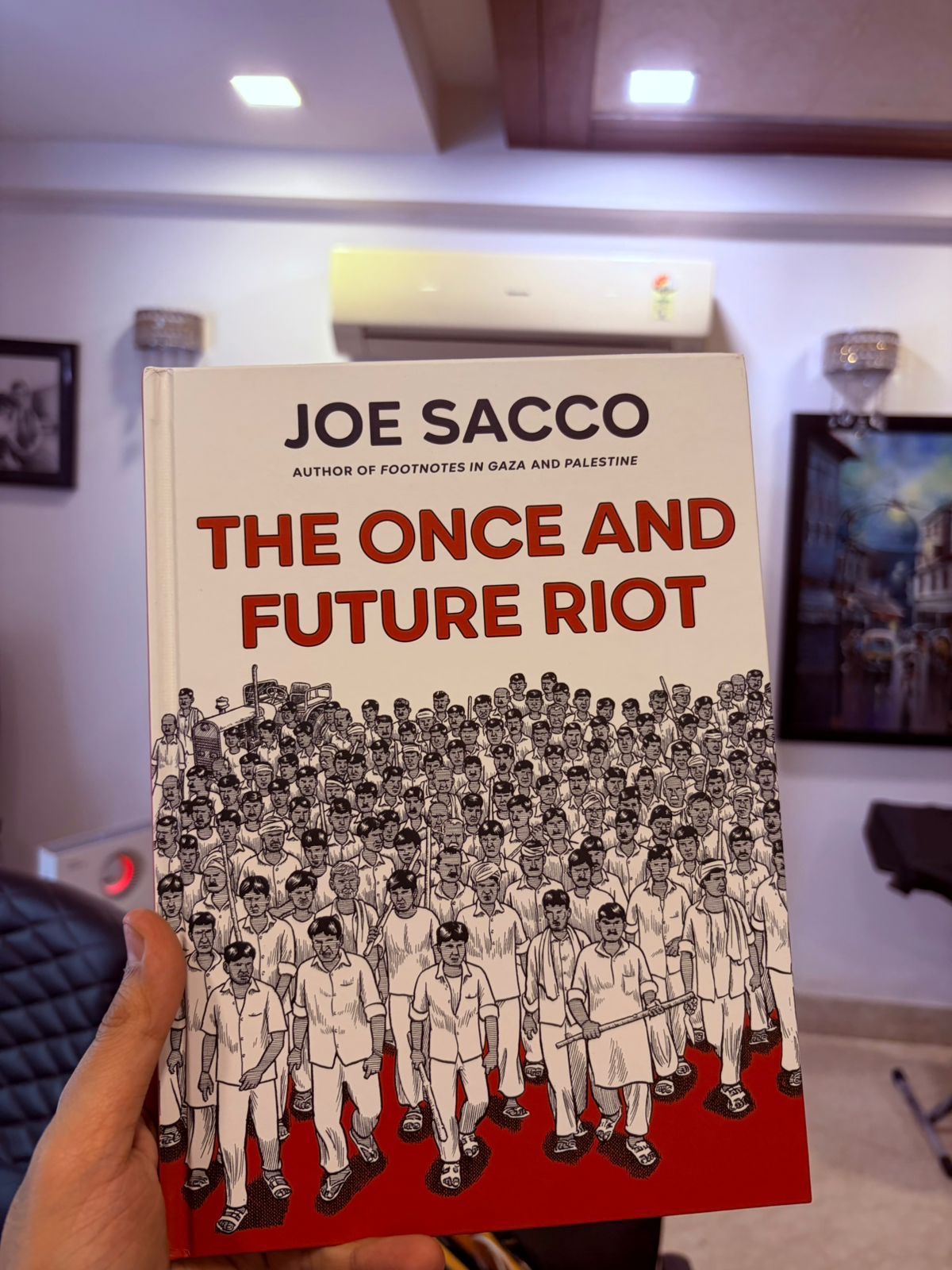
Heartbreaking doesn’t quite cover it.
This work holds up a stark mirror to our descent into the cruelty and madness of communalism – set against the backdrop of the Muzaffarnagar riots. What makes this comic so devastating is not just the violence, but the anatomy of it: how cynical politics, economics, and the naked hunger for power conspire to turn perfectly ordinary people into instruments of hate.
It is essential reading for anyone trying to understand what is happening around us, and what it foreshadows for that beautiful, fragile, stubbornly plural and inclusive idea we once called the Idea of India.
Above all, it is a reminder — an urgent and an uncomfortable one — that our shared humanity is not a given and is fragile and always dreadfully close to descent into madness and robotism of evil. Our humanity can’t be taken for granted and must be chosen. Actively. Every day. Against every temptation to reduce the other to a label, a slur, a threat, or, simply, an other.
Gopaldas Neeraj said it with the lyrical beauty that only the greatest poets can manage:
"Ab to mazhab koi aisa bhi chalaya jaye, Jis mein insaan ko insaan banaya jaye…"
(Let there now be a faith, some faith, that teaches a human being to be human again.)
The faith in humanity and compassion must be restored, and the tag of ‘human being’, it turns out, must be earned and one that we’ve — unfortunately — not always done so well to deserve.


Leave a Reply